Education Embroidery Design: Funny Apple Character Review
When I first saw the Education Embroidery Design on Creative Fabrica, I knew it would spark a conversation. The funny apple character with oversized eyeglasses has a personality that jumps off the screen. It’s not just a fruit—it’s a little scholar, and that playful mood immediately made me think of teacher appreciation gifts, back‑to‑school projects, and anything that needs a smile stitched in. As an embroidery designer who regularly tests digital files for real customer orders, I approached this freebie with a careful eye, looking for how it would behave on curved surfaces, dense fabrics, and after multiple washes. Here’s my honest breakdown.
First Impressions: A Smart Apple That Makes You Smile
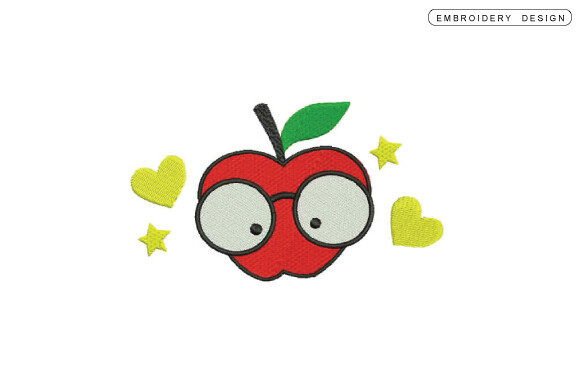
Open the embroidery file and you’re greeted by a character that blends whimsy with a touch of classroom charm. The apple wears thick‑rimmed glasses, a tiny smile, and possibly a leaf or a bow—details that make the design feel like a mascot for learning. The visual mood is lighthearted and joyful, exactly what you want on a handmade product that carries a message. The linework suggests a mix of satin stitch and fill stitch, while the expression relies on clean running stitch details. The result is a machine embroidery design that reads well at a glance, even on a modest hoop size.
I could immediately picture this on a canvas tote bag for a teacher, a baby blanket for a first‑day‑of‑school memory, or a soft sweatshirt that a child would wear proudly. The decorative appeal is broad—it’s cute enough for nursery decor, yet not so childish that it alienates a grown‑up buying a boutique apron. For a Creative Fabrica embroidery freebie, the art direction feels thoughtful, not just a throwaway sketch.
What Projects This Education Embroidery Design Naturally Suits
After studying the design, I mentally “stitched” it onto dozens of surfaces. The apple character is compact and self‑contained, which makes it a seamless fit for:
- Teacher tote bags and library book bags
- Sweatshirt embroidery for back‑to‑school or World Teacher’s Day
- Embroidered patches that can be ironed or sewn onto jackets
- Kitchen towels and aprons with a “smart cookie” theme
- Pillow covers for a reading nook or classroom corner
- Baby bibs and baby blankets to celebrate a little learner
- Custom caps for teacher appreciation week
- Handmade gift tags when stitched on a small fabric scrap
The design’s scale likely works well in a 4×4 or 5×7 hoop, but always confirm the hoop size on the Creative Fabrica product page before you start. I’d reserve it for projects where the character can be the star—think a centered placement on a pouch or a bold statement on a sweatshirt front. For commercial embroidery sellers, this is the kind of digital embroidery file that can quickly become a signature motif in a teacher‑themed product line.
Stitching Performance: What to Expect from the Digital Embroidery File
I haven’t stitched this exact apple yet, but looking at the preview, I can anticipate how the details will behave on various fabrics. The eyeglasses are likely composed of fine satin stitches or a thin running stitch; if they’re too delicate, they might disappear on a textured surface like terry cloth or fleece. For a clean result, I’d test on scrap fabric first—a quilter’s cotton and a mid‑weight sweatshirt material—to see how the stitch density holds up. A dense fill stitch in the apple body could create a beautiful, smooth finish, but on a stretchy knit, it might need a no‑show mesh stabilizer and a topper to prevent the stitches from sinking in.
If the design includes tiny lettering or a small chalkboard detail, I’d watch those areas closely. Small lettering can lose legibility if the thread pulls or if the stabilizer isn’t up to the task. I’d also check the thread color contrast: a red apple with black glasses pops on a light background, but on a dark fabric, you might need to slightly adjust the thread colors to keep the expression readable. The Creative Fabrica product page will list the original color palette, but don’t be afraid to tweak it for your own handmade product.
Working with Fabrics, Hoops, and Stabilizers
Every embroidery design behaves differently depending on the surface. Here’s what I’d keep in mind for the Education Embroidery Design in real‑world use:
- Textured fabrics (towels, fleece, knit): Use a water‑soluble topper to keep the tiny eye details from getting lost. A cut‑away stabilizer on the back will maintain the shape after washing.
- Stretchy fabrics (baby onesies, t‑shirts): A fusible polymesh stabilizer and a light basting spray prevent the apple from distorting. I’d hoop the stabilizer and float the garment to avoid hoop burn.
- Dark fabrics: The apple’s green leaf or red body might need a white underlay or a slightly lighter thread shade to pop. Always compare a test stitch on both light and dark fabric mockups.
- Curved cap surfaces: If you plan to stitch this on a baseball cap, check that the design is not too tall. The apple’s glasses might sit at the edge of the cap’s profile, and dense stitches on a curved surface can pucker. A 4×4‑friendly version with a compact arrangement is ideal.
- Frequent washing: For kitchen towels or baby items, I’d secure the satin stitches with a dense, well‑digitized underlay and avoid long, floating stitches that could snag. The stitch density should be balanced—not so heavy that it feels like a stiff patch, and not so light that it frays after a few cycles.
Always use proper stabilizer for the fabric type. No single stabilizer works for every project, and when you’re preparing a finished product for sale, your reputation rests on how well the embroidery survives real life.
How the Funny Apple Character Can Elevate Your Handmade Products
A design like this isn’t just a cute picture—it’s a tool to add value to your handmade line. When I stitch a handmade product with a recognizable, cheerful character, customers connect emotionally. A teacher buying a tote bag with this apple isn’t just buying a bag; they’re buying a little piece of their classroom identity. That emotional hook can translate into higher buyer trust, better product photography (it photographs beautifully flat or on a model), and stronger brand consistency across Etsy listings, craft fair displays, and boutique merchandise.
For a commercial embroidery workflow, the digital embroidery file can be saved as a printable mockup alongside your stitched sample. Use it in your listing photos to show color variations without having to stitch every combination. The design’s theme also makes it a natural for personalized gifts: add a name or a short message inside the apple or below it, and you’ve turned a freebie into a premium custom apparel item. I’ve seen similar character designs become the centerpiece of a whole back‑to‑school collection, from pencil cases to lunch bags.
Practical Tips Before You Sell or Gift the Finished Product
I never send a customer order without running through a little mental checklist. For the Education Embroidery Design, here’s what I’d do:
- Download and inspect the file: Confirm the embroidery file formats—Creative Fabrica often includes DST, PES, EXP, and others. Check the hoop size and stitch count on the product page. If the stitch count is high, it might require a heavier needle.
- Test on scrap fabric: Run a sample on the same fabric and stabilizer you plan to use. Pay attention to the glasses, mouth, and any small details. If the thread breaks or the stitches look uneven, adjust the density or tension.
- Compare light and dark fabric mockups: The design’s impact changes dramatically with background color. A red apple on a navy sweatshirt needs a different thread strategy than the same apple on a white bib.
- Inspect small details after stitching: Use a magnifying glass or your phone camera to zoom in on the stitching. This is where you catch tiny gaps or registration errors before the product leaves your studio.
- Check the license: Visit the Creative Fabrica product page to review the terms. Many freebies come with a commercial use license that allows you to sell finished items, but there may be limits on the quantity or a requirement to credit the designer. Never assume—always read the small print.
- Photograph the finished piece: A well‑lit photo of the stitched apple on a tote bag or a sweatshirt instantly boosts your listing’s appeal. This is also a great time to create a printable mockup for future custom orders.
If you’re planning to sell the finished product, remember that consistency builds trust. Customers who buy a tote bag design with this apple will expect the same quality if they return for a matching pouch or a cap. Keep a record of your thread colors, stabilizer choice, and any adjustments you made to the digital embroidery file. That way, you can recreate the exact look every time—a mark of a professional embroidery designer.
In my workshop, the Education Embroidery Design would earn a spot in my “quick‑to‑stitch, high‑smile” folder. It’s free, so there’s no risk to download it and see if it clicks with your style. The funny apple character with glasses is genuinely charming, and the Creative Fabrica embroidery category keeps surprising me with gems like this. Whether you’re an Etsy seller, a craft fair vendor, or just making a handmade gift for a favourite teacher, this design is worth a test stitch—just be prepared for the compliments.